Imaging Colorimeter
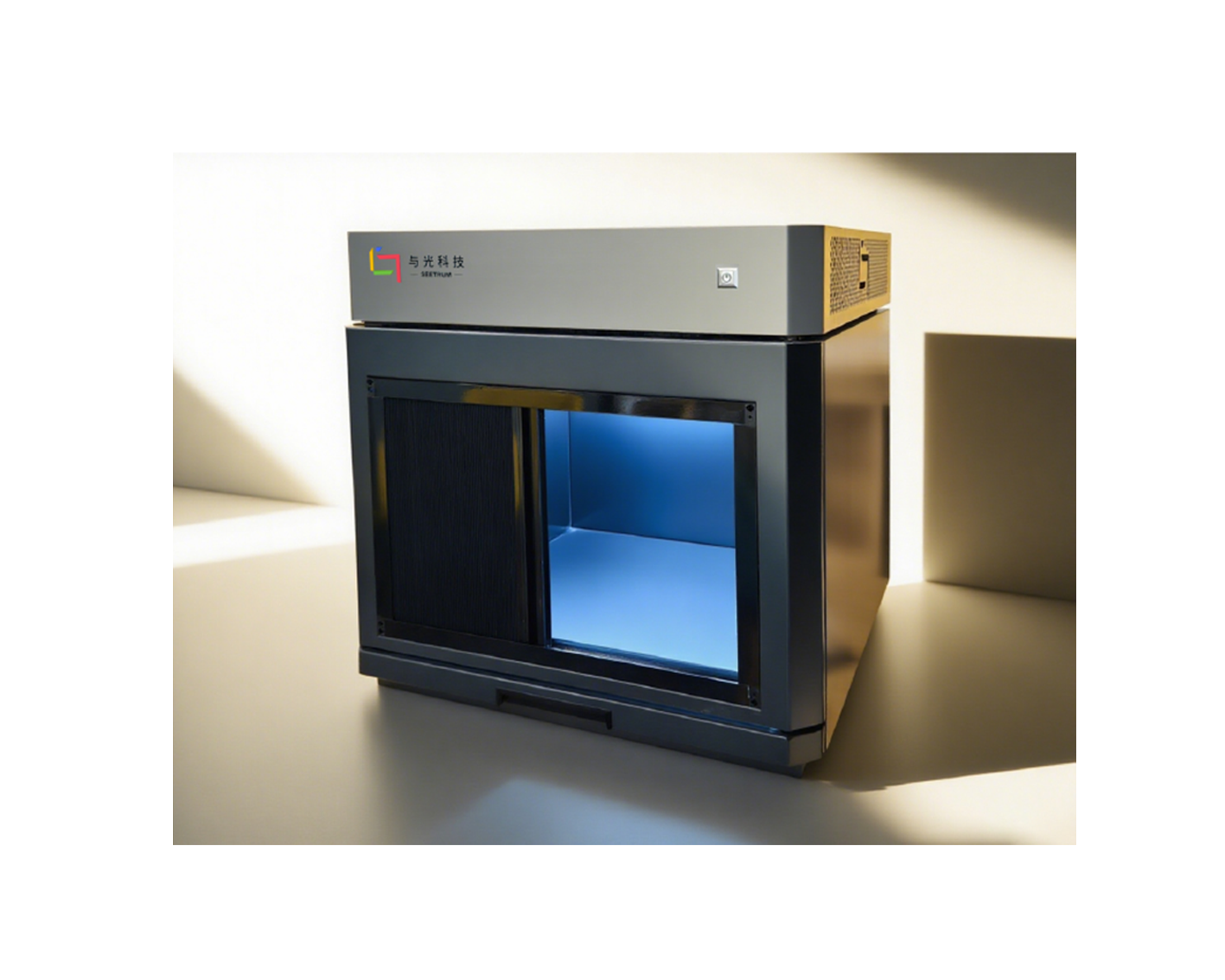

High Measurement Efficiency
The system can measure multiple colors and samples simultaneously at 1-second intervals, delivering several times higher efficiency than traditional single-point color measurement.

Large Measuring Area
Its maximum detection area reaches 420mm×340mm, and it supports detection and comparison of 4 regions in a single test.

Custom Development Available
We provide customized hardware and software algorithm services to meet color measurement requirements of customers across various industries.
SOLUTION LIST
If you are interested in cooperation, please contact us:[email protected]
Solution Customization
Provides multi-dimensional customized product development services, including but not limited to:
Hardware Deviceslight Source Conditions, detection Indicators, color Measurement Types, etc.
Software Algorithmsspectral algorithms, application software and more.

Computational Spectral Imaging Colorimeter
System Introduction
Color is a core quality indicator in industries including textile dyeing, paints & coatings, and packaging printing. Long-standing challenges such as customer complaints over color difference, inaccurate visual color judgment, low efficiency and inability to archive measurement data have hindered business development.
Traditional visual assessment is highly subjective. Restricted by human visual limitations, results tend to be inconsistent, triggering frequent disputes and high communication costs. Meanwhile, color information cannot be efficiently shared across the industrial chain, leading to low data utilization. This approach can no longer meet increasingly stringent color difference control requirements and the demand for higher operational efficiency throughout the industry.
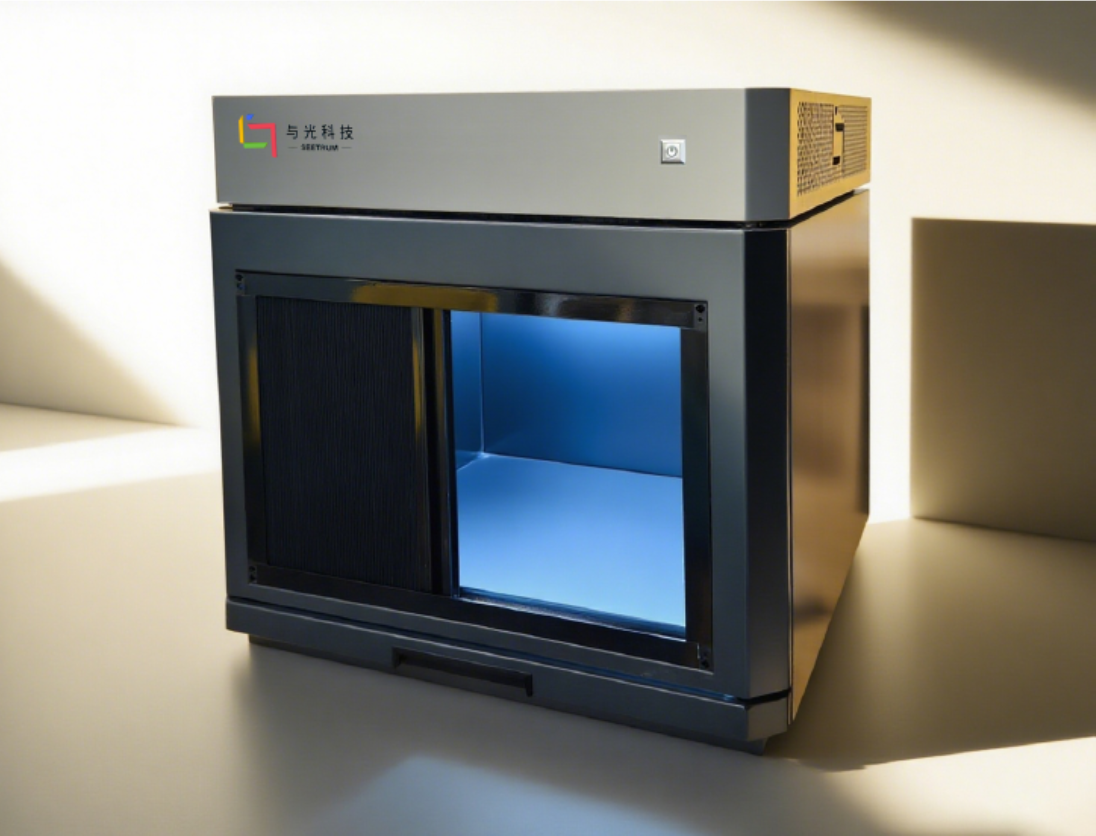
Seetrum has developed the world’s first area-array multispectral color measurement system based on computational spectral principles. It is specially designed for diffuse reflection samples featuring flat surfaces, uneven color, irregular shapes and granular textures. The system measures multiple colors and samples at 1-second intervals, delivering high efficiency and precision. It supports large-area and non-contact measurement, with excellent stability, low maintenance cost and flexible expandability. It stores real-color images and diverse data files, enabling accurate color evaluation, data analysis, report export and data sharing.
The system is equipped with Seetrum’s self-developed Lancai® snapshot spectral imaging chip. Adopting innovative pixel-level broadband spectral modulation technology, the chip captures 2D images and area-array spectral data in a single exposure. It eliminates the need for complex optical paths, precision optical components and scanning mechanical structures. Its high integration greatly enhances equipment reliability. We have also pioneered computational spectral color reconstruction algorithms, paired with custom professional lighting systems featuring low light decay and temperature control to further ensure stable operation.
Main Functions
-- Supports measurement and output of multiple color metrics including CIE1964, CIE1976, CIELAB and CIE2000.
-- Compatible with 4 standard light sources; customized light source solutions are available on request.
-- Allows users to define detection regions and conduct regional color testing, supporting 1 to 4 regions simultaneously.
-- Outputs color deviation analysis and presents results intuitively via color deviation diagrams.
-- Features color difference heat maps to visualize color difference distribution within detected areas.
-- Enables color tone classification for samples with minor color differences.
-- Supports export of data sheets and test reports. Real-color photos and comprehensive data can be saved locally for traceability.
-- Accessible historical data for offline re-analysis.
-- Completes calibration within 2 to 3 seconds.
-- Allows configuration of device operating parameters; supports automatic and manual exposure with adjustable exposure time.
-- Provides algorithm SDK for secondary integration and development.
Application Scenarios
— Textile dyeing: Sample matching, batch color difference inspection, color tone classification and production quality testing.
— Paints & coatings: Uniformity and color difference detection for textured color plates.
— Packaging & printing: Full-area inspection of color charts and batch quality control for food packaging.
— Rapid comparison and dual verification of sequence and color difference for multi-block color charts and ink samples.
Seetrum offers customized hardware and software algorithm services to cater to personalized color measurement demands across different industries. From traditional spectral splitting to computational spectral technology, from single-point testing to area-array imaging, and from manual experience-driven judgment to intelligent data management, our area-array multispectral color measurement system addresses long-standing industry pain points with innovative computational spectral technology, setting new benchmarks for industrial color detection.
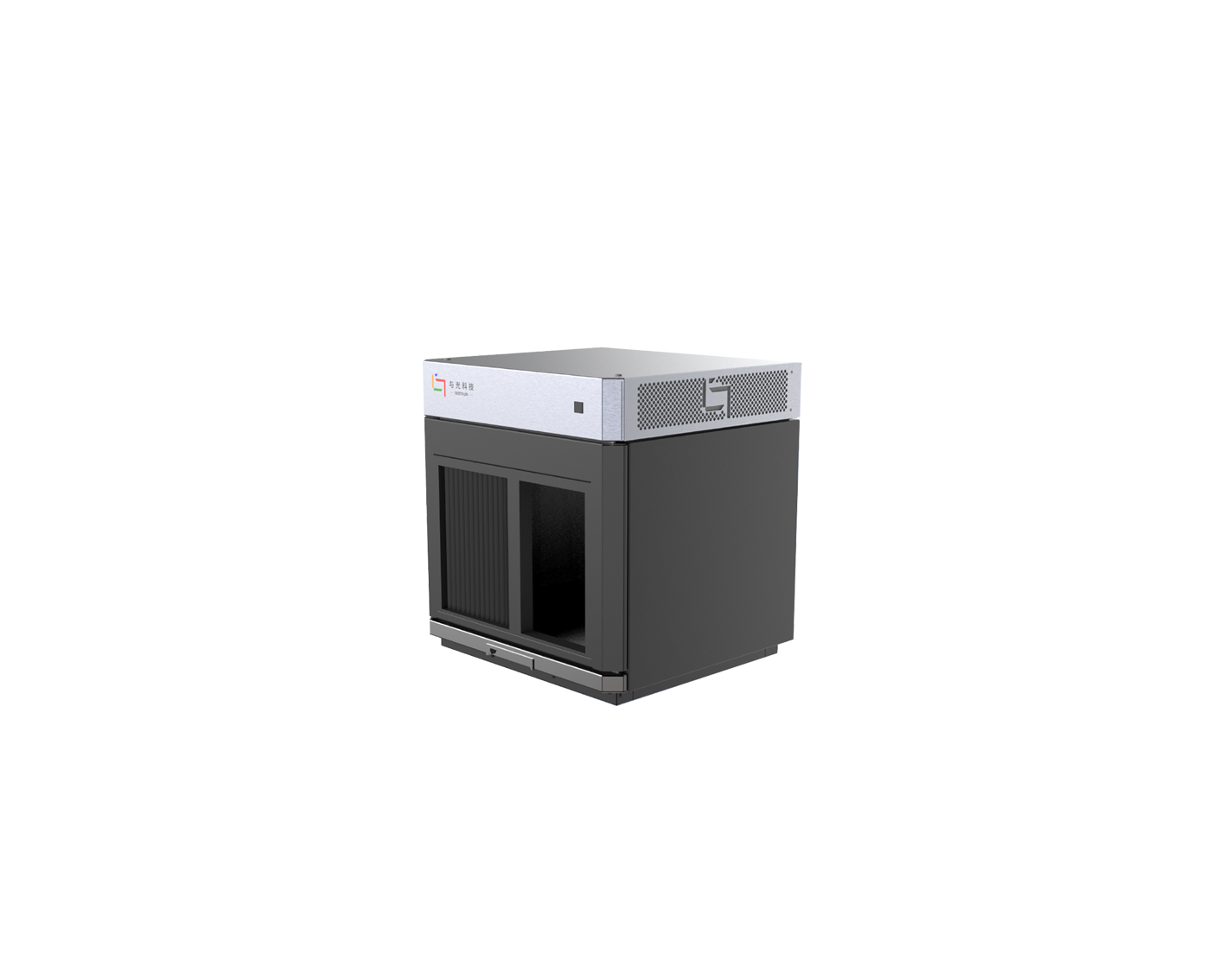
SEE9830A
Computational Spectral Imaging Colorimeter
Specially designed for diffuse reflection samples characterized by flat surfaces, uneven color, irregular shapes, and granular textures. It can simultaneously measure multiple colors and samples at 1-second intervals, featuring a large measurement area, non-contact color measurement, and support for simultaneous testing of multiple colors or multiple samples. It delivers high efficiency, accuracy, and ease of use, along with excellent stability.
Color indexDE00,DEcmc(2:1), ΔLcmc(2:1),ΔHcmc(2:1);L,a,b, ΔL,Δa,Δb; c,h,Δc, ΔH;GSC,GSCLevel; ΔEgs,SSR
Sample typeTexture cycle ≤1mm,Reflectivity 2%~99%;sample size should be ≥50*50(mm) and the thickness should be ≤10(mm)
Light source conditionsD65、A、F2、F11,observer angle 10°
Color difference accuracyDE±0.4;DLab±0.5;While Lab in reversed,±0.2(D65 10°)
RepeatabilityDE≤0.25
llA CIEL*a*b*DE00≤0.4(BCRA)
OutputsSample physical picture,Color index data results,Color bias map,Color difference heatmap,Classification results of color difference;analysis of historical data review is also supported.
Device interfacePower supply:AC220V,100W; Data output:USB3.0
APPLICATION SCENARIO

Color Difference Detection
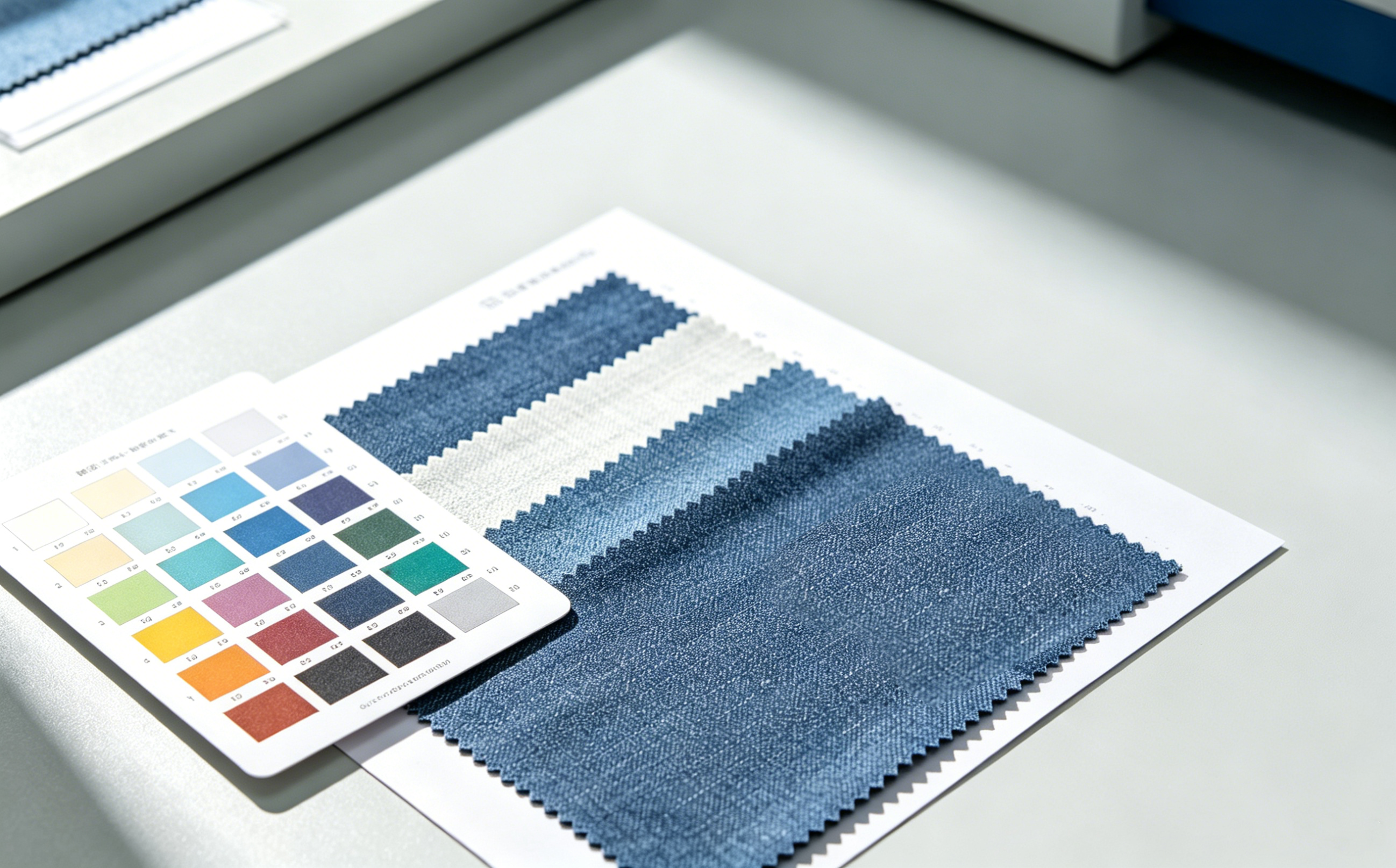
Textile Dyeing & Printing
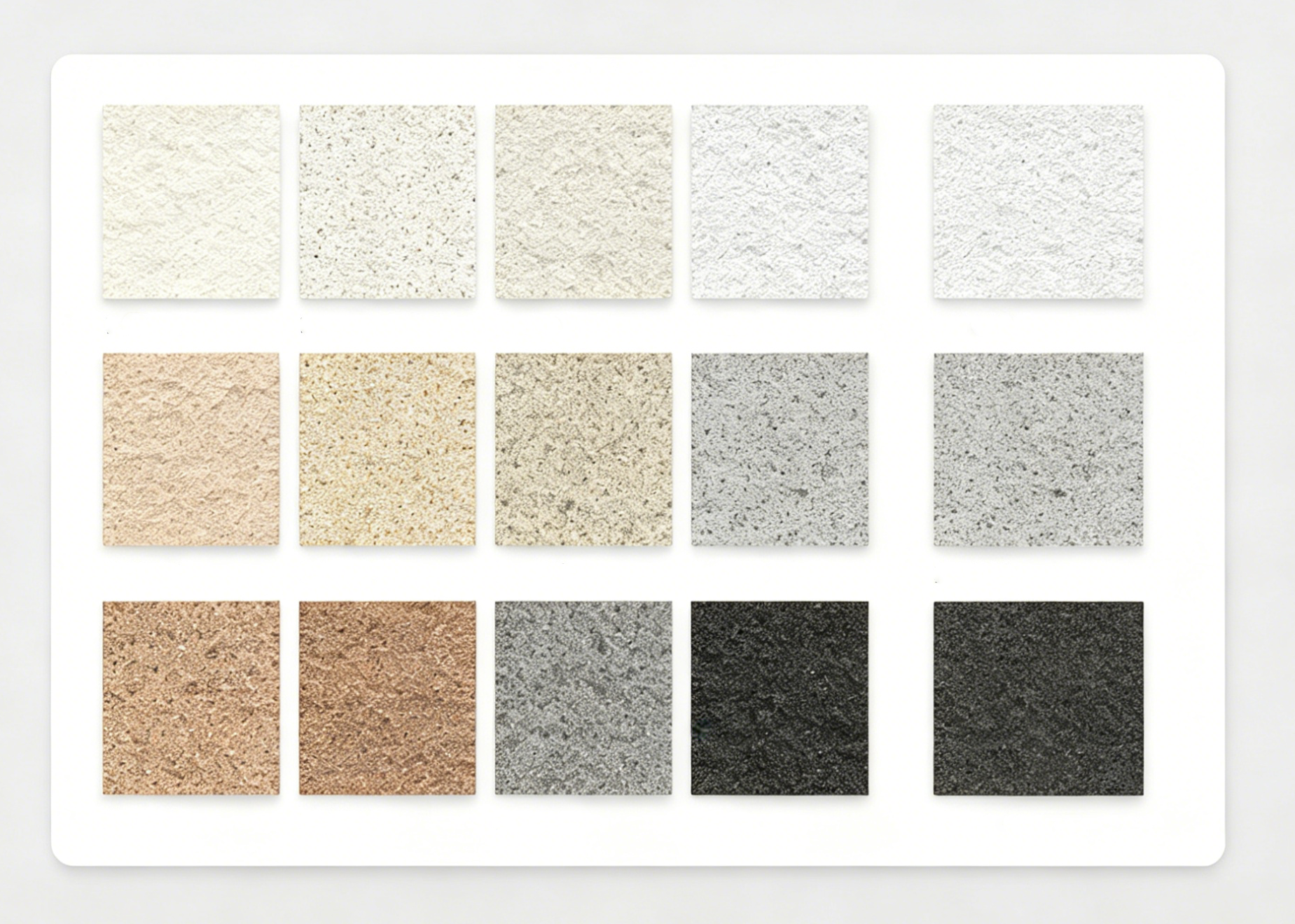
Stone Paint & Coatings
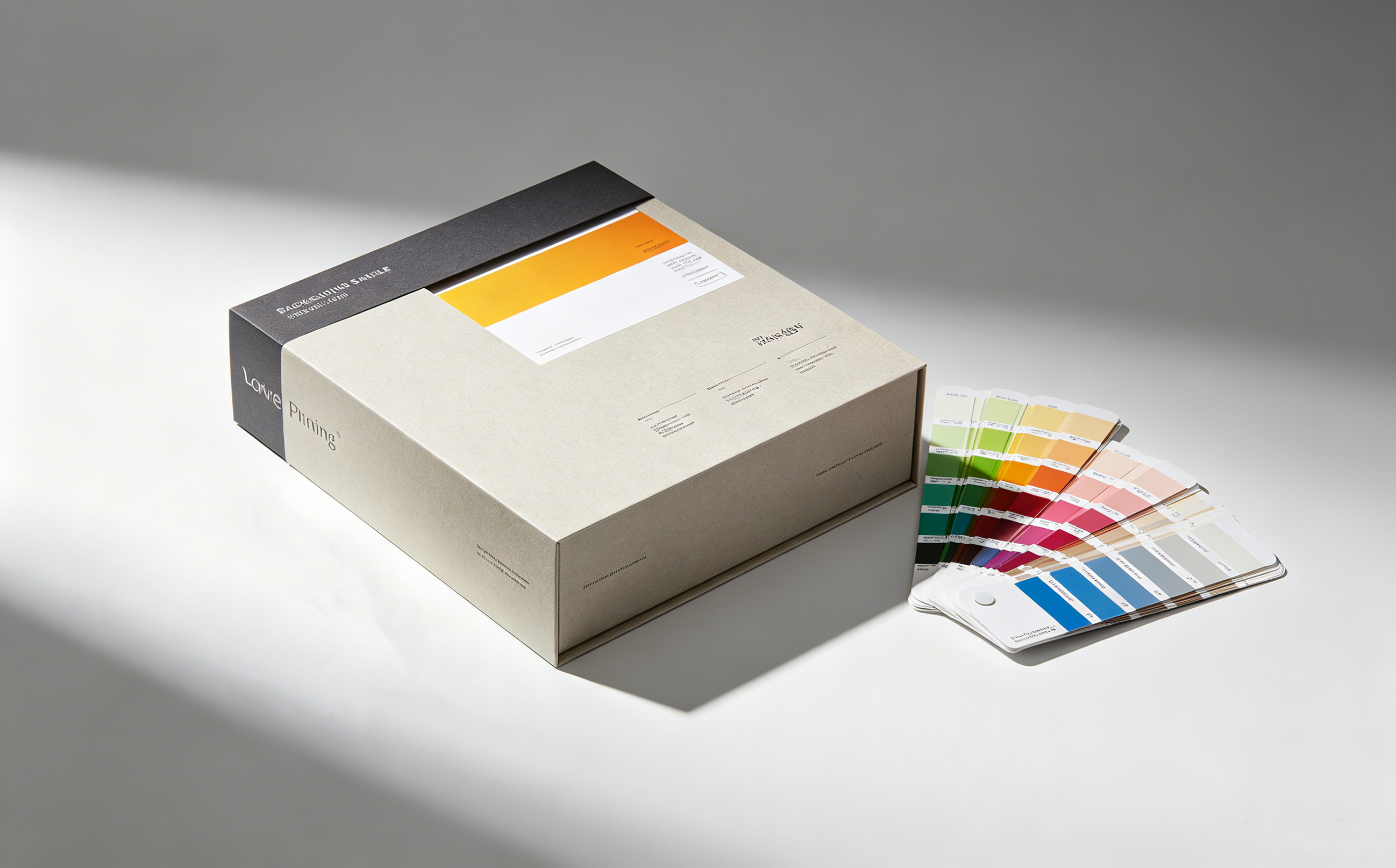
Packaging & Printing
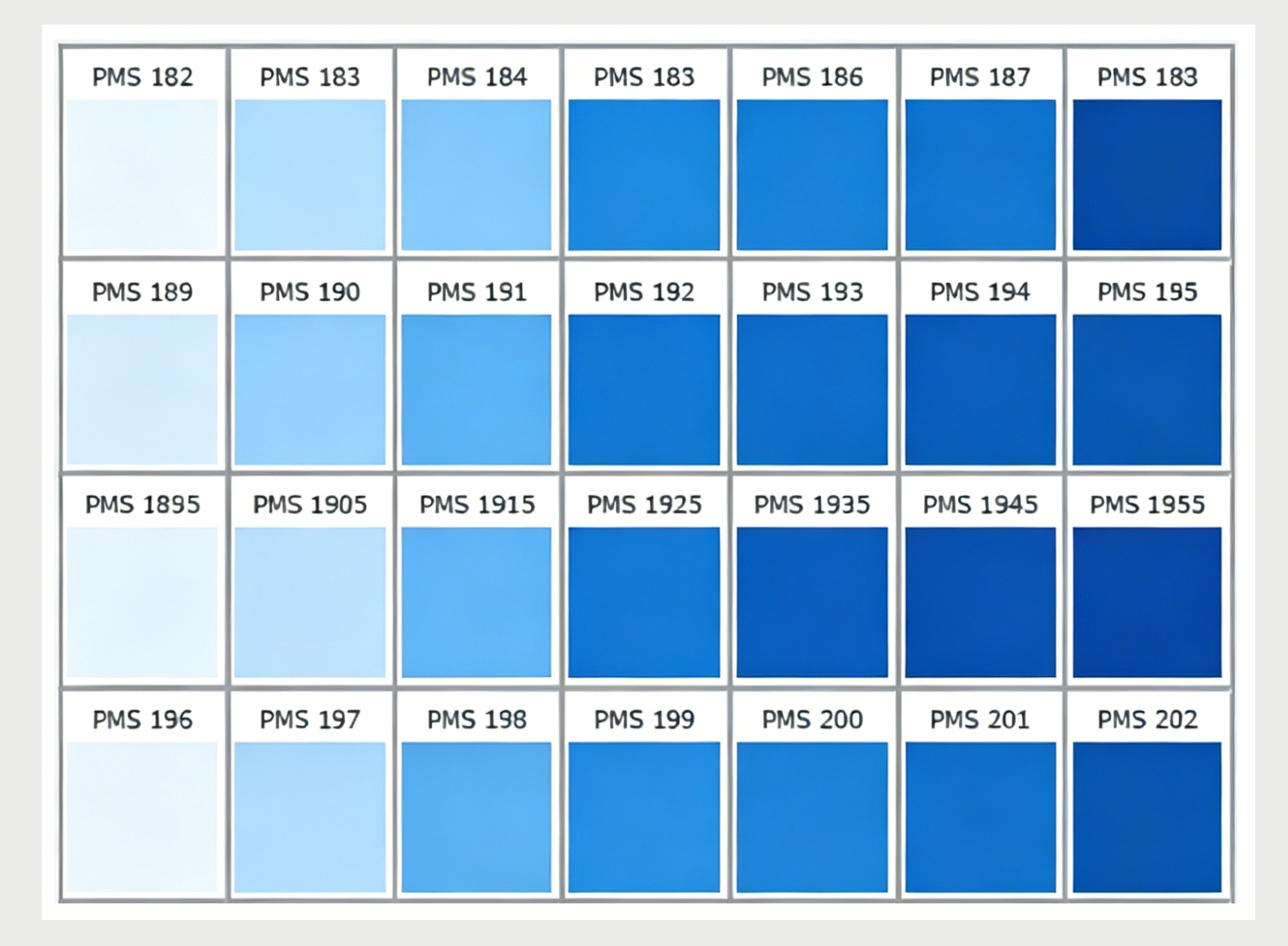
Color Chart Quality Control