Smart Lighting
PRODUCT ADVANTAGES

High Cost Performance
Costs are well optimized while maintaining high precision and superior performance.

Excellent Consistency & Easy Integration
Adopting proven mass production processes with automatic inspection of key parameters, the products deliver outstanding consistency and traceable batch production data. Featuring compact size, they are easy to integrate.

Custom Development Available
We provide customized services for dimming components, software algorithms and overall solutions to meet diverse client requirements.
SOLUTION LIST
If you are interested in cooperation, please contact us:[email protected]
Solution Customization
Provides multi-dimensional customized product development services, including but not limited to:
Hardware ModulesHardware Modules, Spectral Sensing Modules, Dimming Components, etc.
Software Algorithmsspectral algorithms, dimming Algorithms,application software and more.

Smart Lighting Solution
Driven by consumption upgrading and growing health awareness, lighting has gone far beyond the basic need of space illumination. Users now demand higher standards for the comfort, health performance and intelligence of luminous environments. Nevertheless, the industry still faces multiple challenges that hinder the popularization of high-quality lighting experiences.
I. Industry Pain Points & Requirements
1. Poor Scene Adaptability
Lighting requirements vary greatly across home, office, study and other scenarios. Warm yellow light tends to cause drowsiness, while cool white light contains excessive blue light. Traditional lighting fails to balance the dual needs of relaxation and concentration.
2. Confusion in User Perception and Selection
Without professional tools, ordinary users cannot evaluate the quality of their ambient light. Faced with uneven-quality eye-care lighting products on the market, they struggle to make scientific choices or prevent vision problems such as myopia from the source.
3. Disconnection between Intelligence and Light Quality
Most existing smart lighting products only support basic on/off control and color temperature adjustment. They lack precise ambient light sensing and adaptive regulation, often resulting in substandard light quality and failing to deliver genuine healthy lighting.
II. Seetrum Smart Lighting Solution
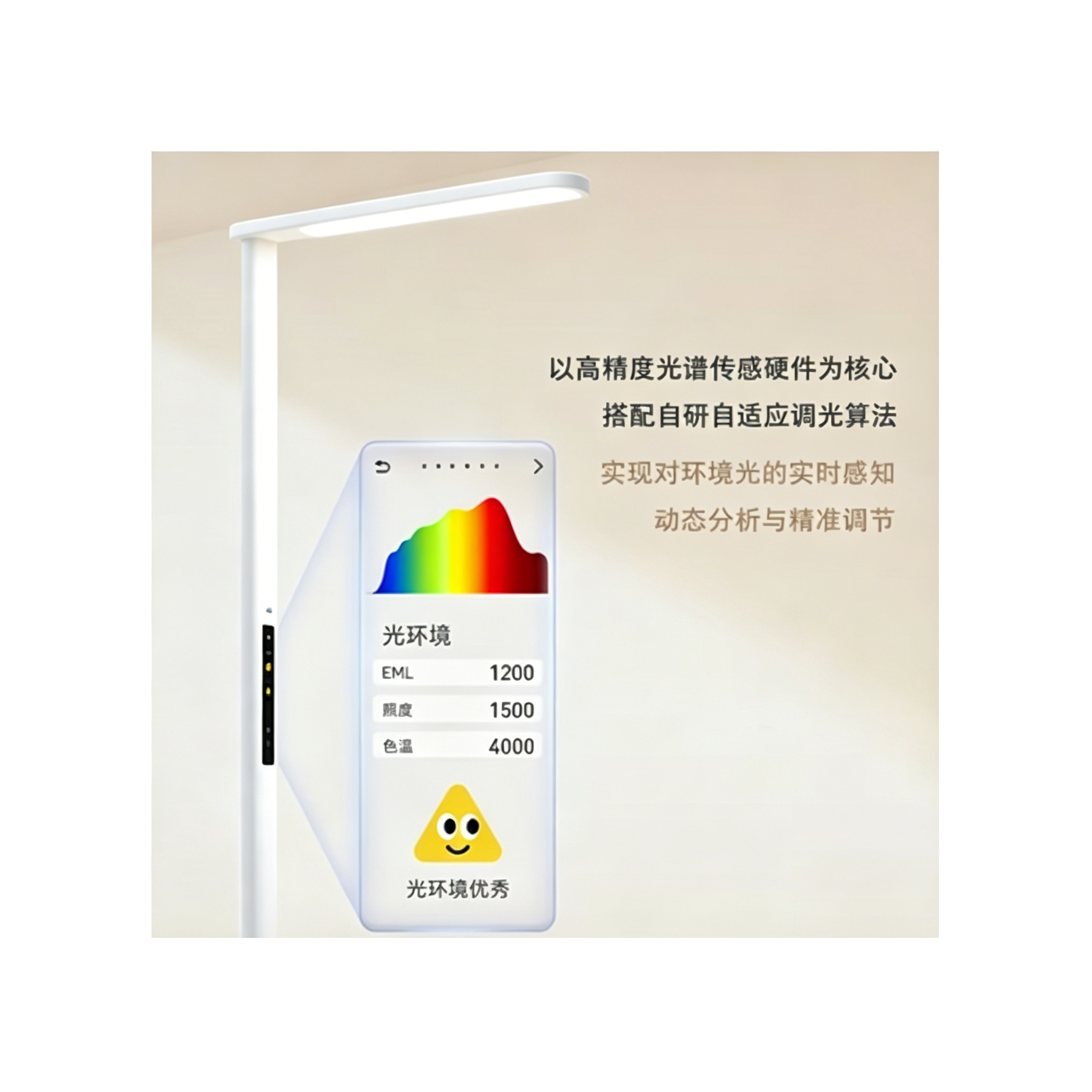
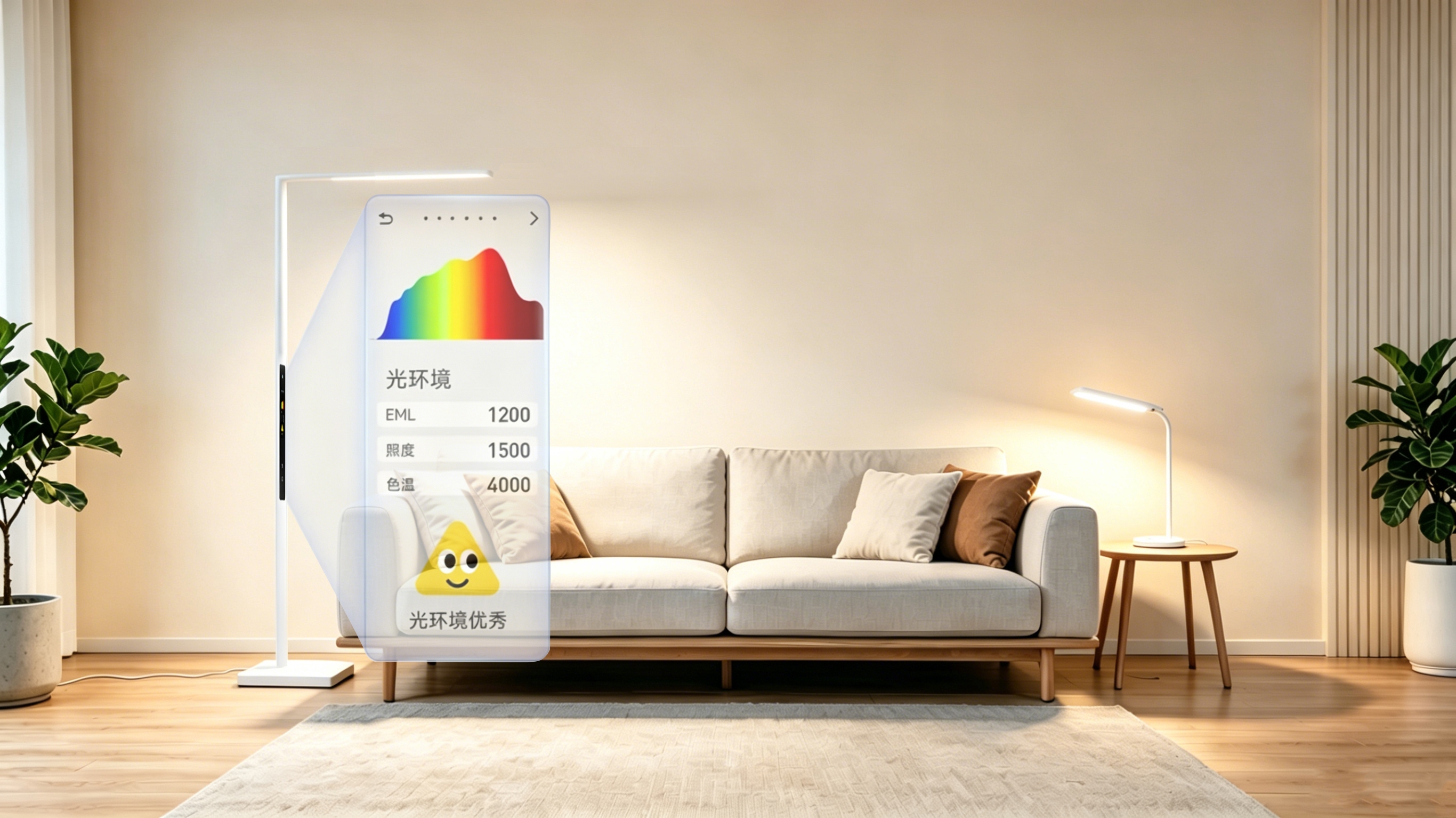
Leveraging computational spectral sensing technology, Seetrum delivers a full-chain smart lighting solution covering sensing, analysis, control and optimization. It consists of two core components: high-precision spectral sensing modules and intelligent adaptive dimming units.
1. High-precision Spectral Sensing Module
As the core sensing unit, this multi-channel spectral sensor measures a full set of key optical parameters in real time, including visible illuminance, color temperature, color coordinates, Equivalent Melanopic Lux (EML), light flicker and fitted spectrum. Its correlated color temperature accuracy is within ±5%, with a detection range from 1000K to 10000K.
It supports automatic and manual exposure adjustment over a wide illumination range, and adopts built-in calibration matrix algorithm to ensure accurate measurement results.
2. Intelligent Adaptive Dimming Unit
Based on data collected by the sensing module, the dimming unit integrates light control, timer control and human body induction. Combined with Seetrum’s self-developed eye-friendly dimming algorithms, it realizes the following functions:
1) Scenario-based light & color adaptation: It identifies ambient light changes and adjusts brightness and color temperature in real time to create optimal light formulas for eye protection, concentration and rest scenarios.
2) Health risk prevention: It suppresses harmful blue light and eliminates flicker. The unified glare rating (UGR) is controlled at ≤16 to reduce vision damage caused by light pollution.
3) Wide compatibility: Applicable to eye-care desk lamps, street lamps for learning spaces, smart ceiling lamps and other lighting products. Standard and customized development are available to meet diverse demands.
III. Core Advantages
1. Accurate Sensing & Reliable Data
Manufactured with proven mass production processes, the modules feature high consistency of key parameters and traceable batch data. Leading spectral resolution and wavelength accuracy provide solid data support for light quality optimization.
2. Mature Algorithms & Health-oriented Design
Compliant with lighting design standards and research on healthy lighting, the closed-loop control maintains dynamic balance between ambient light and artificial light, delivering truly eye-friendly lighting experience.
3. High Integration & Easy Deployment
Compact and lightweight, the modules support various optical coupling methods. They can be rapidly integrated into consumer electronics and industrial devices for intelligent upgrading without complicated modifications.
4. Full-scenario Coverage & Strong Expandability
It caters to residential and commercial healthy lighting demands for homes and offices, and also adapts to professional fields such as industrial inspection and plant factories, opening up new growth opportunities for clients.
Cost-effective & Scalable Mass Production
Costs are well optimized while retaining high precision and performance. Supported by mature production capacity, it enables large-scale commercial implementation.
APPLICATION SCENARIO

Healthy Lighting

Eye-care Desk Lamp
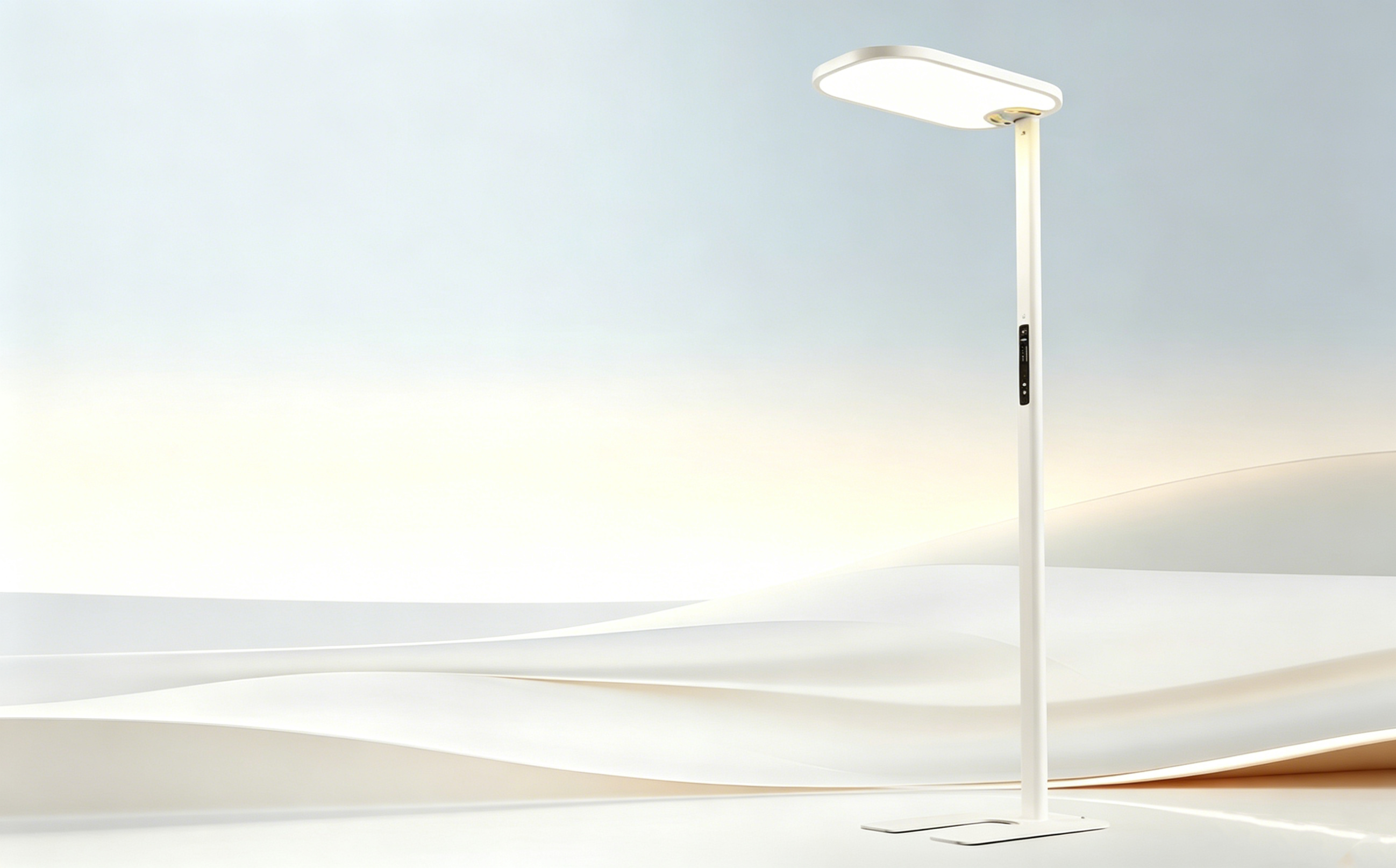
Tall Learning Lamp

Smart Study Desk
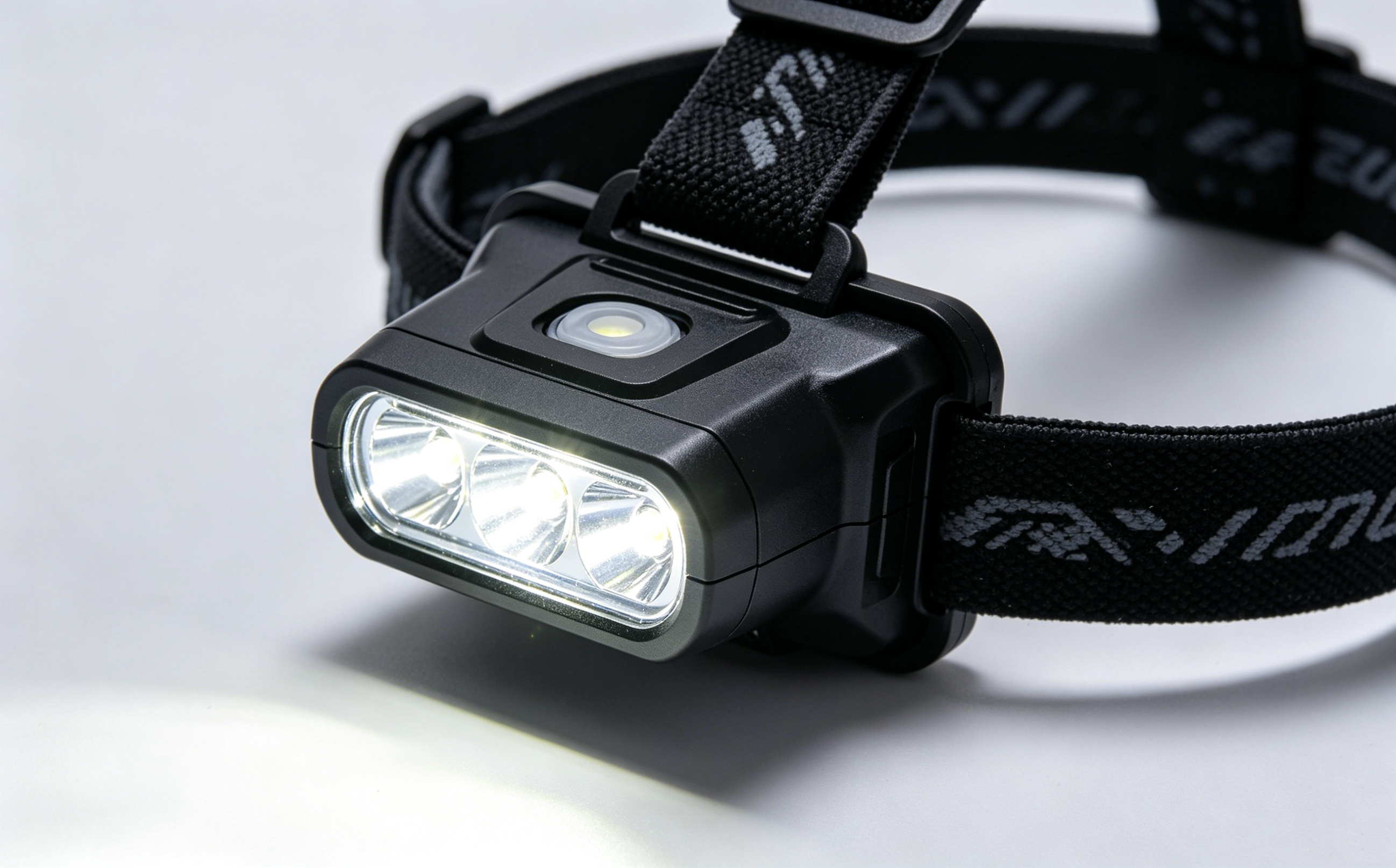
Portable Headlamp