


The international Nano‑Optoelectronics Workshop (iNOW) is a globally‑recognized academic platform for semiconductor nanostructures, optoelectronics and photonics. It brings together world‑class research teams and key industry practitioners to foster in‑depth exchanges on cutting‑edge technologies and cross‑border industry‑academia collaboration.
Hosted by the Laboratory of Micro‑Nano Optoelectronics at Tsinghua University, iNOW 2026 takes place from August 6 to 16 in Beijing and Tianjin. Centered on four core themes: nanofabrication of semiconductors, physical properties of optoelectronic materials, high‑end characterization instruments, and novel optoelectronic functional devices, the conference shares groundbreaking research achievements and innovative methodologies.
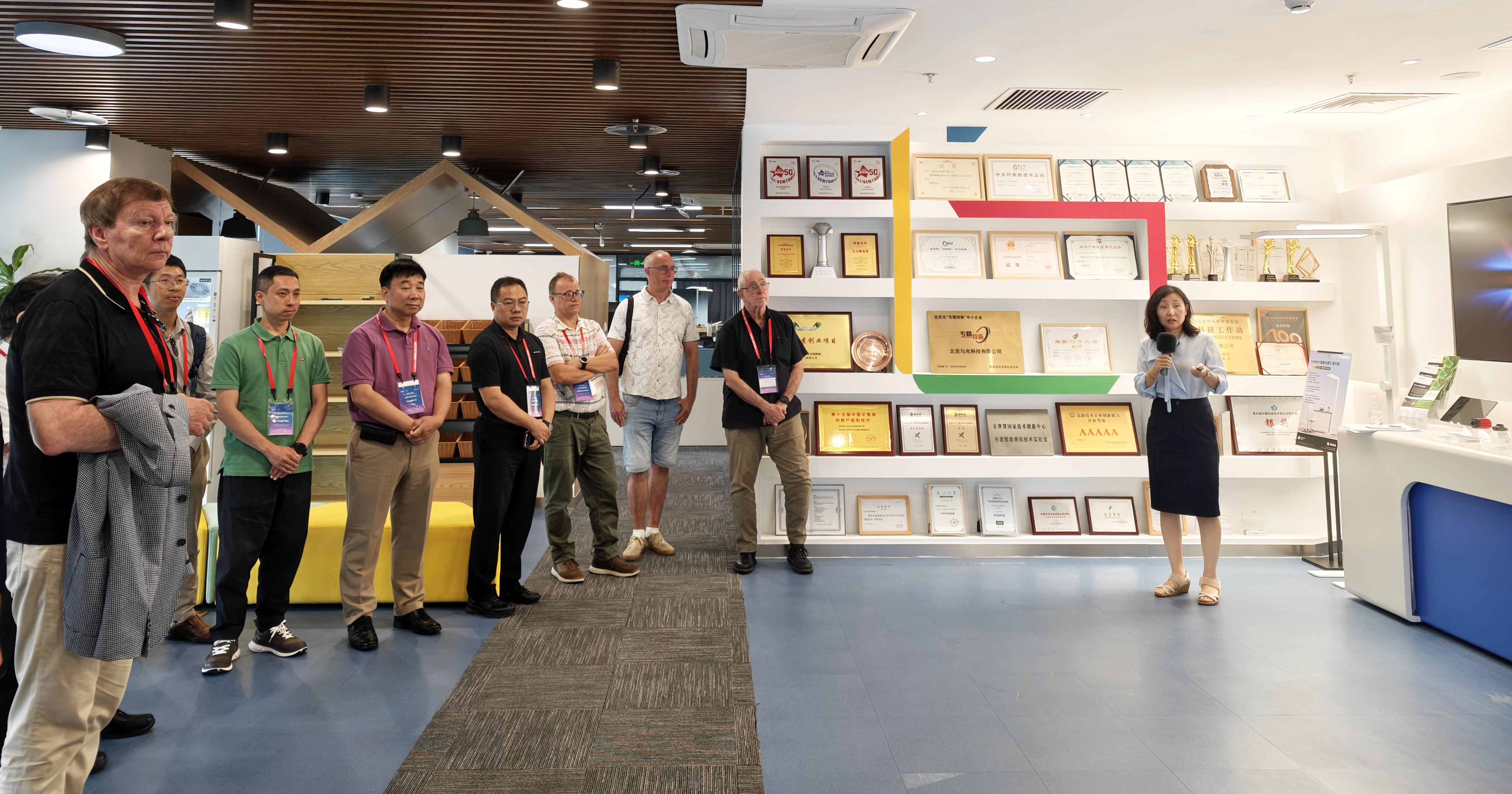
On the morning of August 12, more than ten domestic and international experts and scholars visited Seetrum for on‑site investigation and academic exchange. Prof. Huang Yidong, Co‑founder and Chief Scientist of Seetrum from Tsinghua University, and Distinguished Associate Professor Cui Kaiyu jointly received the delegation, delivering an in‑depth briefing on the company’s technical roadmap and industrialization progress.
Core Technology: Re‑inventing Light Sensing with Computational Spectral Chips
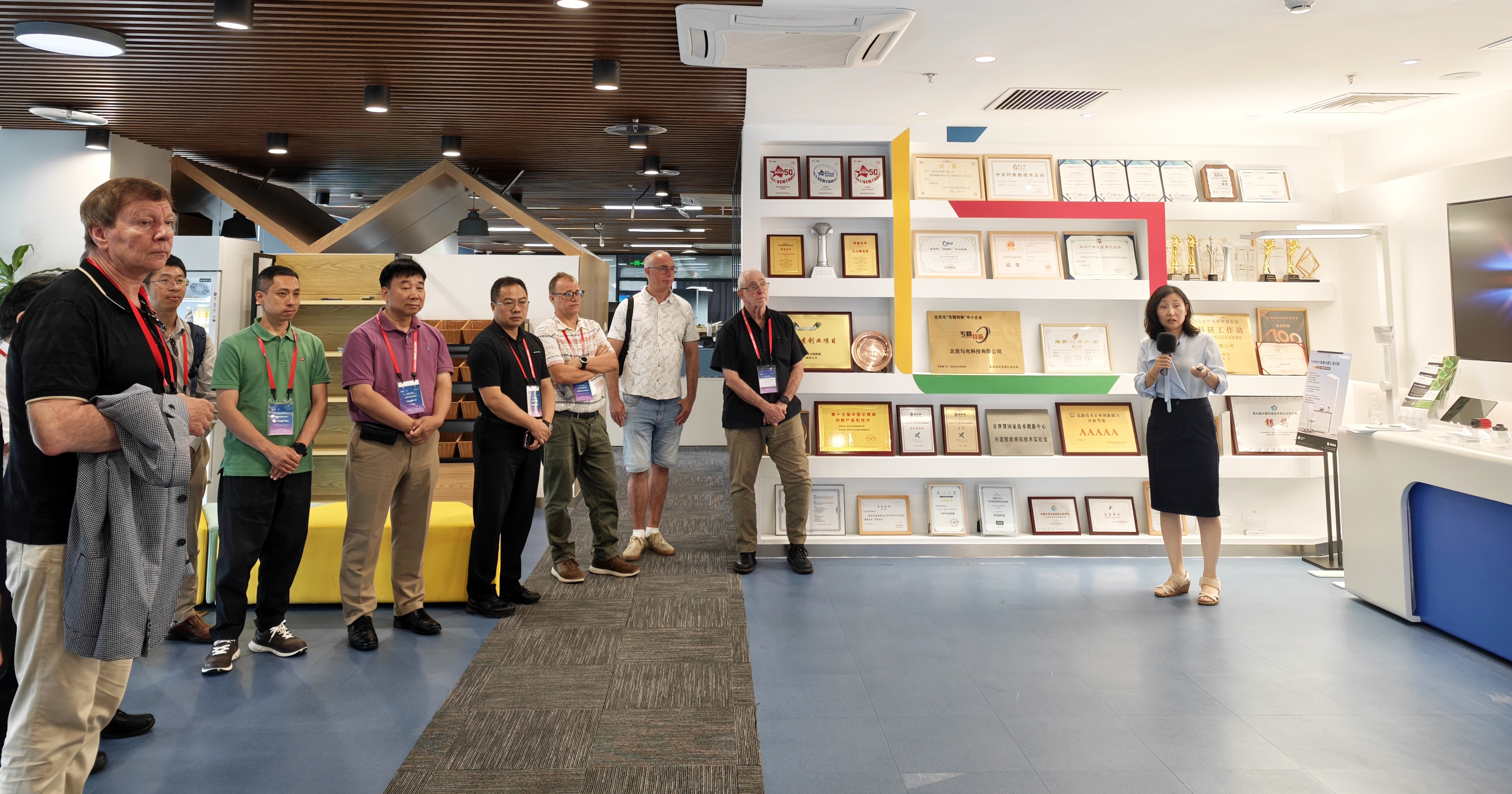
During the visit, Distinguished Associate Professor Cui Kaiyu guided the expert group through the product exhibition hall and standardized R&D laboratories. The full technical chain from underlying chip design to end‑product mass production was demonstrated, alongside the industry‑academia translation outcomes from the Laboratory of Micro‑Nano Optoelectronics, Department of Electronic Engineering, Tsinghua University.
For a long time, spectral technologies have been confined to laboratories due to high equipment costs and complicated system integration. Seetrum aims to embed spectral sensing capability into diverse end‑devices across industries, just like conventional cameras.
Built on over a decade of technical heritage from Tsinghua’s Laboratory of Micro‑Nano Optoelectronics, Seetrum develops self‑owned computational spectral imaging chips. A complete independent technical ecosystem covers bottom‑level chip design, spectral acquisition algorithms and mass‑production manufacturing processes. This technical approach breaks the long‑standing industry trade‑off “high precision equals high cost, and miniaturization means degraded performance”. Professional‑grade spectral detection performance is realized at single‑chip‑level cost.
Based on this foundation, Seetrum has built four major product lines: consumer‑grade spectral imaging chips, LANCai® spectral imaging equipment, FUHONG® spectral sensing modules, and AION OPTIX® optical sensing components. Spectral sensing capabilities are extended to consumer electronics, industrial quality control, smart agriculture, intelligent lighting and other sectors. Spectral technology is moving beyond laboratories toward large‑scale industrial deployment, empowering use‑cases ranging from smartphone intelligent perception and automated industrial‑line inspection to digital vegetation management and light‑quality tuning for smart lighting.
Idea Exchange: Industrialization Outlook for Cutting‑edge Technologies
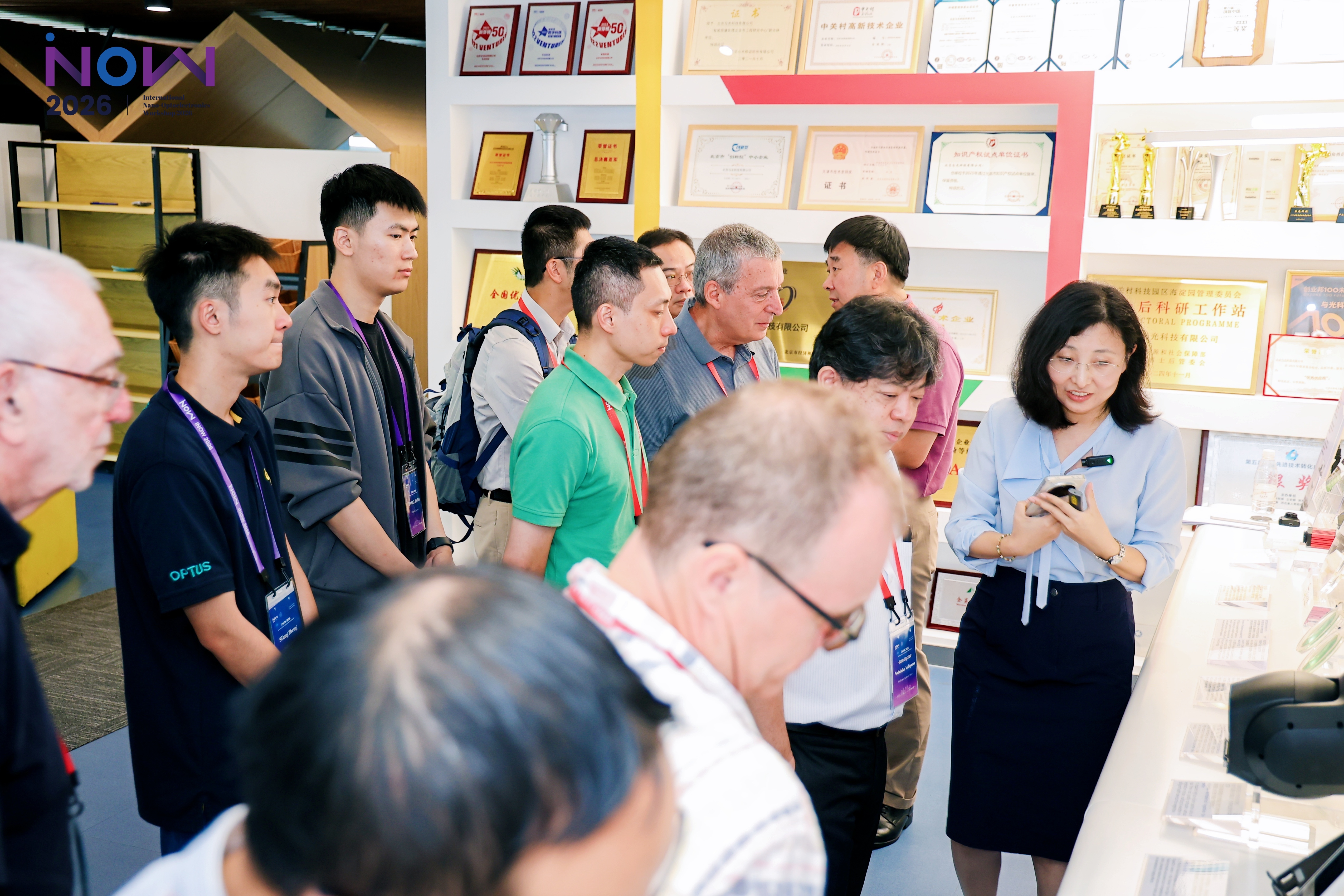
Towards the end of the tour, visiting experts spoke highly of Seetrum’s path of independent core‑chip R&D and multi‑track industrial translation originating from university laboratory research. Participants held extensive discussions on research breakthroughs and commercial prospects for computational spectroscopy, metasurface photonics, sensor‑computing integration and other frontier topics, sharing academic insights and industrial perspectives.
With optical sensing‑computing as its core strategy, Seetrum is accelerating the large‑scale industrial adoption of optoelectronic perception technologies.